The challenge
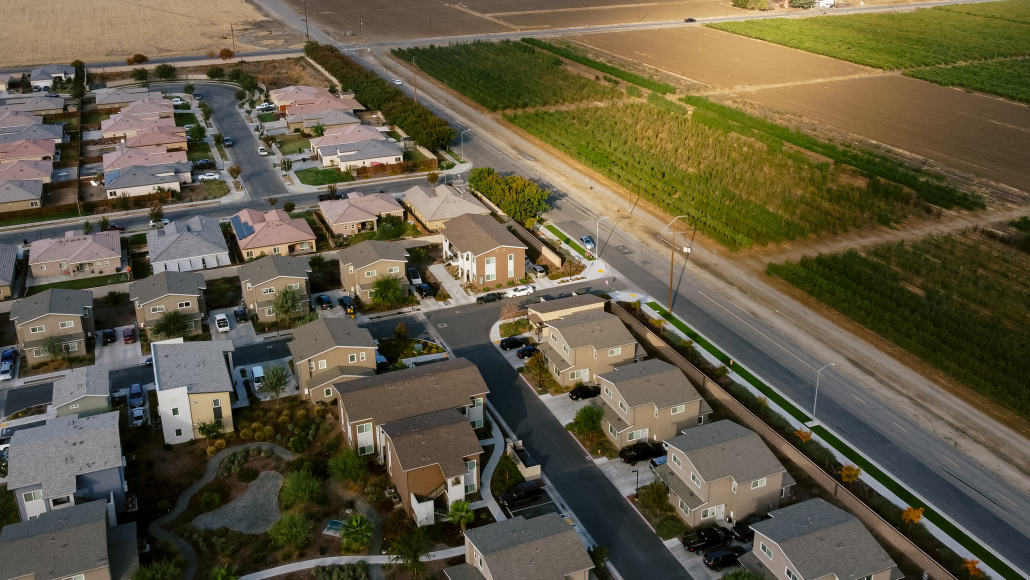
Rural America's housing needs are distinct — and often overlooked.
Twenty percent of Americans live in rural places, yet rural housing needs rarely make national headlines. HAC exists to change that.
One in six rural counties is persistently poor
Generations of disinvestment concentrate hardship in Appalachia, the Mississippi Delta, the colonias, tribal lands, and farmworker communities.
Older, smaller housing stock
Rural homes are more likely to lack complete plumbing, adequate heating, or structural soundness — and repair capital is scarce.
Fewer lenders, thinner markets
Small-dollar mortgages and manufactured housing are underserved by mainstream finance, leaving families with costly alternatives.
Capacity gaps
Local nonprofits and small governments often lack the staff and technical expertise to compete for federal housing resources.
The challenge
Many rural communities have been left behind.
Global economics, disinvestment, exploitation, policy mismatches, and indifference have left rural places without the housing and opportunity their neighbors take for granted.
- Poverty
- Rural Americans are more likely to live in poverty
- Health
- Lower life expectancy than urban counterparts
- Place
- More likely to reside in a persistently poor region
- Homes
- More likely to live in substandard or inadequate housing
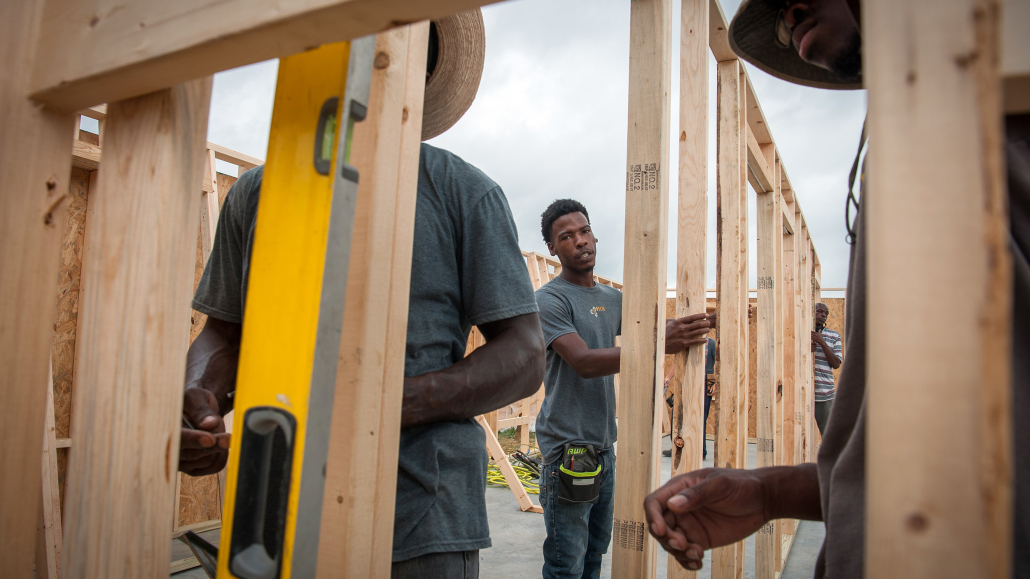
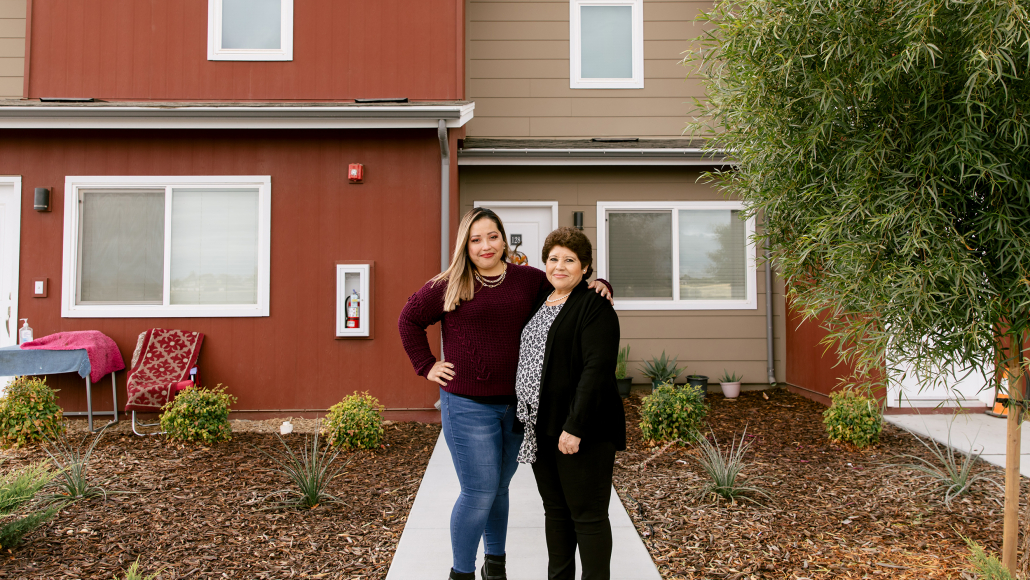
Photos: Jennifer Emerling and Rory Doyle / There Is More Work To Be Done
Get involved